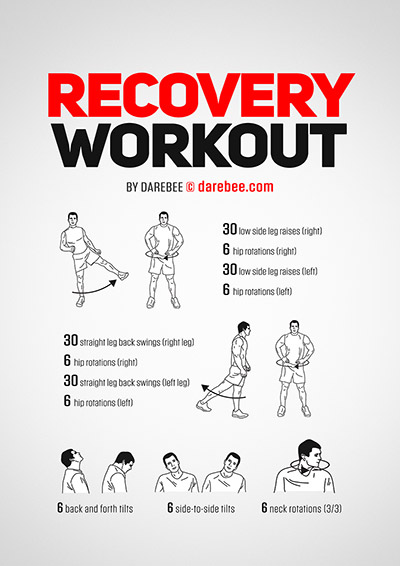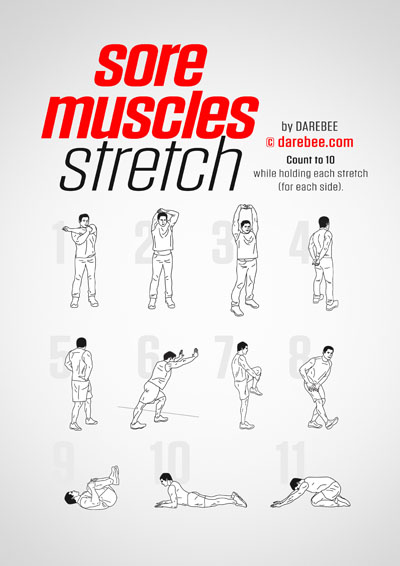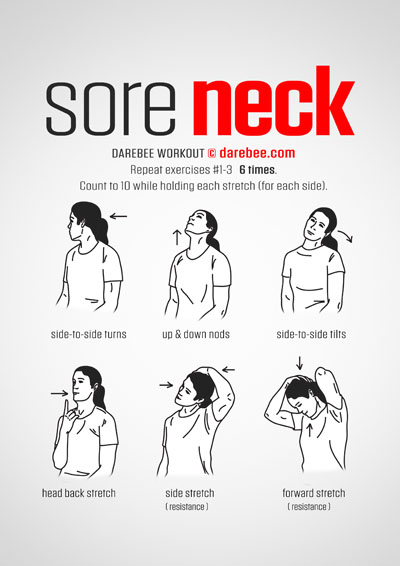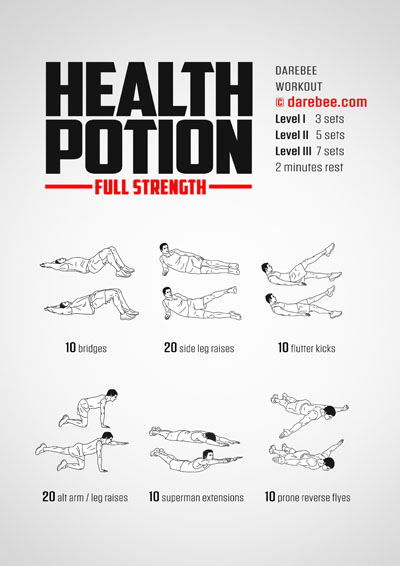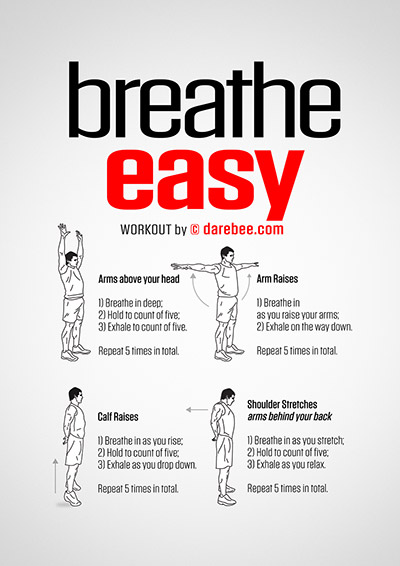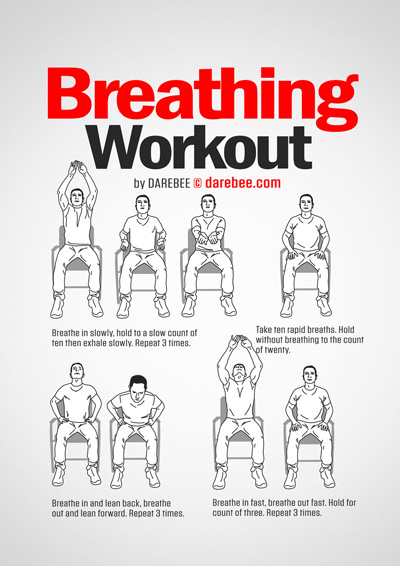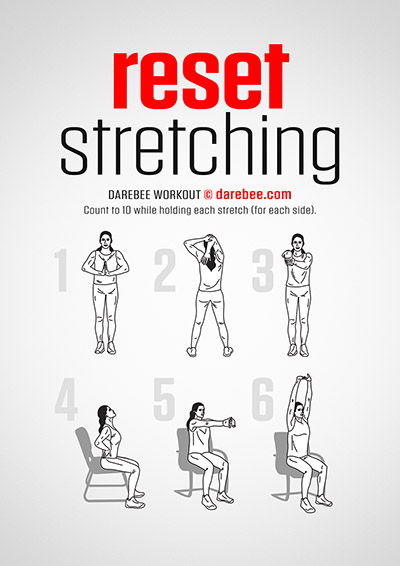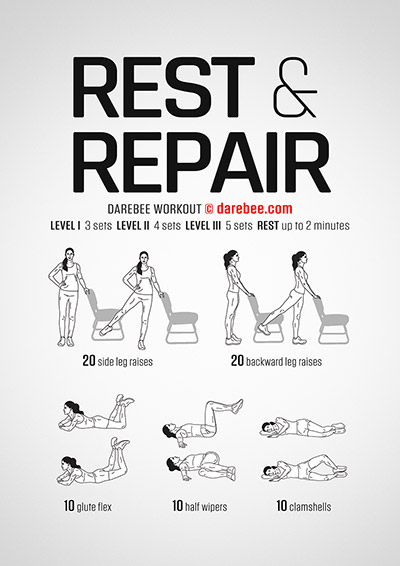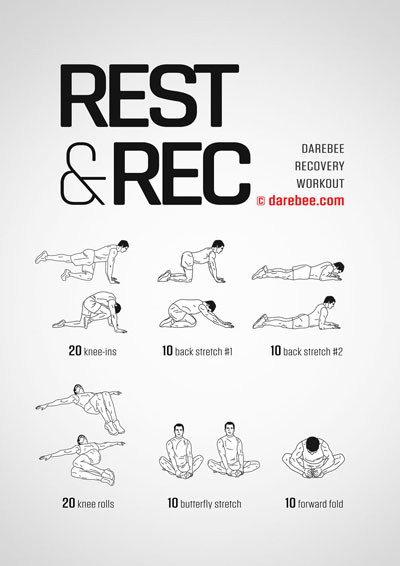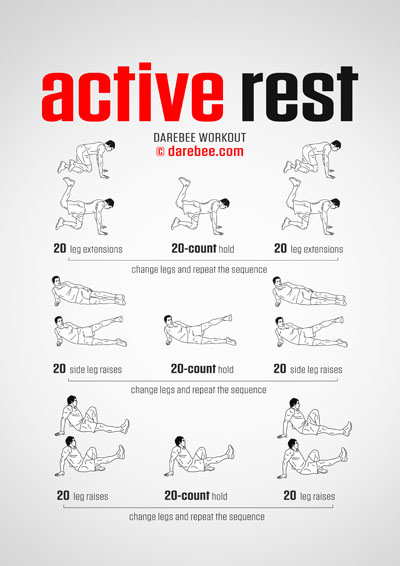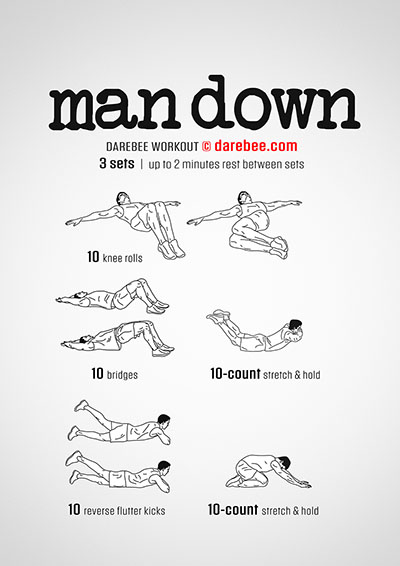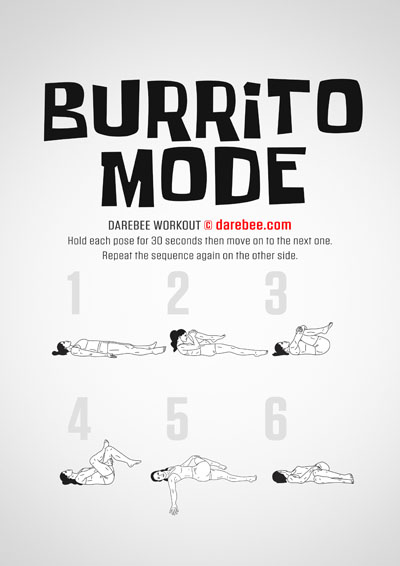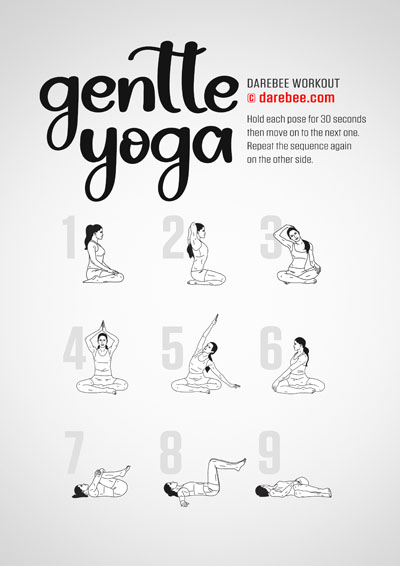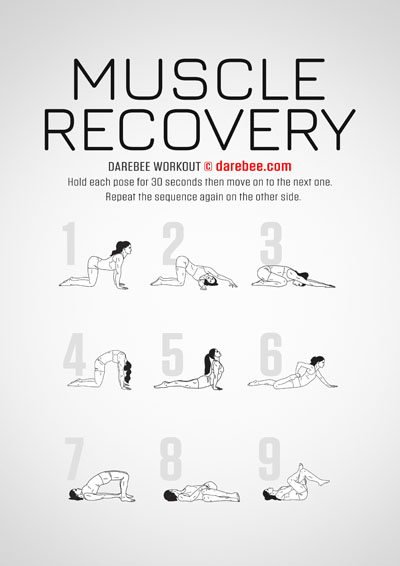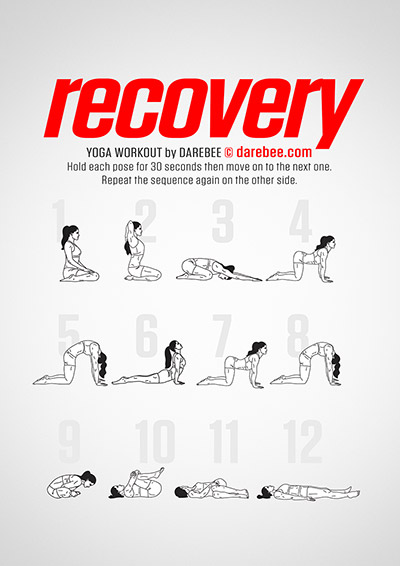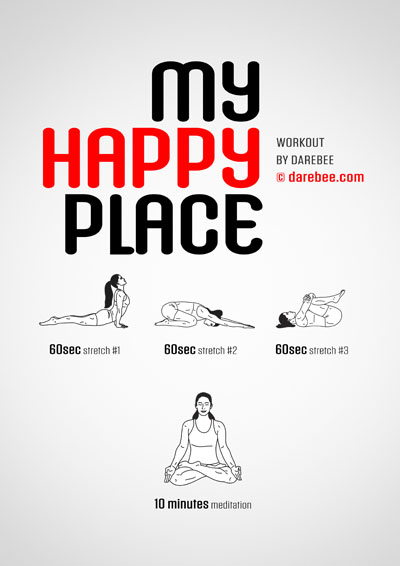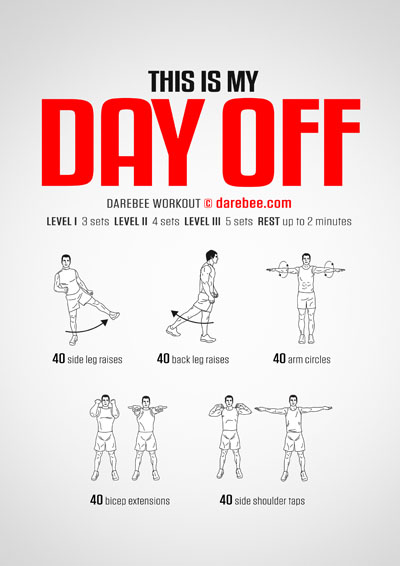
This collection is active recovery in poster form: low-intensity sessions that keep you moving without trying to win the day. Most workouts lean on timed holds (often 30-60 seconds), simple counts (like counting to 10 on stretches), or short set blocks that repeat a small sequence on both sides. You’ll rotate through gentle yoga-style poses, floor resets for the spine, and mobility patterns for hips and shoulders, with light activation sprinkled in so it’s not just stretching for the sake of stretching (bridges, leg raises, clamshell-type work, easy prone back-line lifts, knee rolls and controlled twists). A few routines are breath-led and can be done seated, and some use a chair purely as support to keep positions clean and relaxed.
The payoff is practical recovery engineering: circulation goes up, stiffness goes down, and your joints get reminded how to move through range without bracing like a statue. Slow holds and controlled transitions give the nervous system time to “re-map” positions, improving coordination and joint control around the hips, pelvis, and lumbar spine while taking pressure off cranky areas. Breath-focused pieces train the diaphragm and ribcage mechanics, which can improve how you tolerate effort and how quickly you settle afterward, and the gentle core work reinforces trunk stability without compressing the spine. Over time, this kind of low-drama movement improves posture endurance, restores smoother tissue glide, and keeps tendons and ligaments in the conversation so recovery feels like rebuilding, not just waiting.